
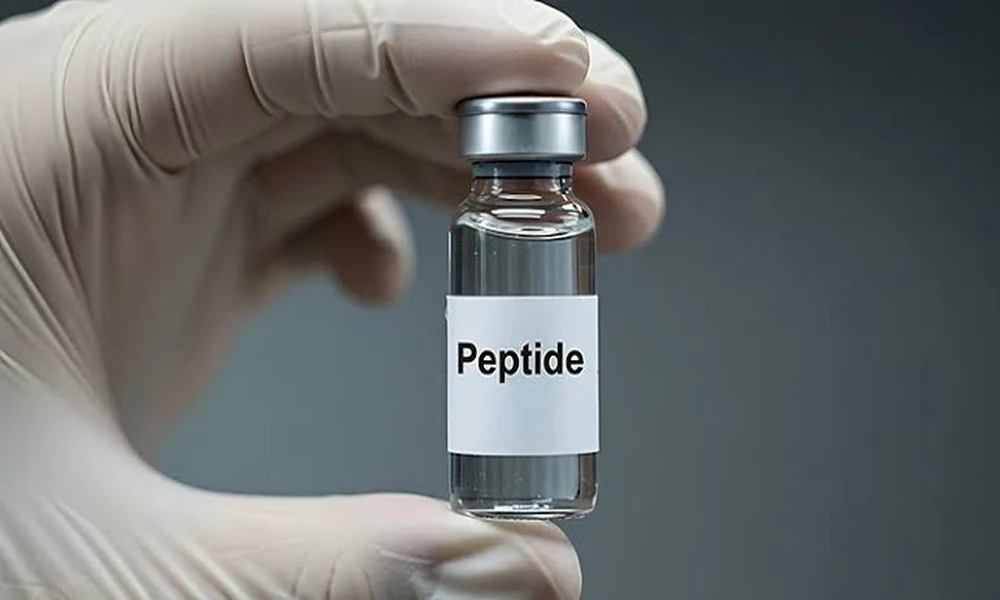
Reliable laboratory work depends on materials that meet clear quality expectations. Peptides should have a defined composition and consistent handling properties for planned research activities. Purity checks help confirm identity while supporting repeatable preparation and analysis. Clear records also make comparison easier across separate laboratory sessions. Researchers seeking suitable research materials for laboratory purposes can explore Peptides Australia as a relevant option.
Understanding Purity Measurement Standards
Purity measurement helps determine the amount of intended compound within a prepared sample. Laboratories can use established testing methods to examine composition with greater consistency during routine analysis. Testing records may include sample identity alongside measured purity values. Clear measurements support useful comparisons between batches prepared for similar research activities.
Confirming Identity And Composition
Identity checks help verify that the intended compound matches its stated characteristics. Analytical methods can examine molecular details to support accurate sample recognition during laboratory procedures. Composition checks also help identify differences between separate production batches.
Maintaining Consistent Laboratory Materials
Consistent materials help laboratories maintain similar conditions across repeated research procedures. Storage records can track handling details that may influence sample quality during routine laboratory work. Packaging information supports proper identification during preparation and analysis.
Clear labeling also helps separate different samples when several materials require individual testing, with reliable product information helping researchers understand retatrutide how to get through appropriate research supply channels.
Reviewing Quality Testing Information
Quality records provide useful details about testing procedures and measured sample characteristics. Researchers can review certificates to understand stated purity levels alongside identification information. Useful records commonly include batch references, analytical findings, and testing dates.
- Clear batch records support accurate sample identification during laboratory preparation.
- Defined testing methods help maintain consistent quality across research batches.
- Recorded purity values allow easier comparison between different laboratory samples.
- Proper storage details help preserve intended sample characteristics during handling.
- Verified documentation supports organized laboratory records for future analytical reference.
Supporting Repeatable Research Analysis
Repeatable analysis depends on consistent sample preparation and dependable measurement practices. Purity standards provide a useful reference when comparing results from different laboratory sessions. Careful documentation allows researchers to connect findings with specific batch information during later reviews.
Accurate laboratory work depends on clear specifications, careful records, and suitable testing procedures. Purity standards provide a dependable basis for checking sample quality before analysis begins. Researchers can compare batches with greater clarity when identity and composition records remain organized. Suitable materials combined with proper handling practices can support reliable laboratory routines. These steps encourage consistent preparation while helping research teams review analytical results with greater clarity.